
Your First Time At Nashville Opera
Come Curious. Leave Changed.
Is it your first time at an opera? We’ve got you covered.
What Do I wear?
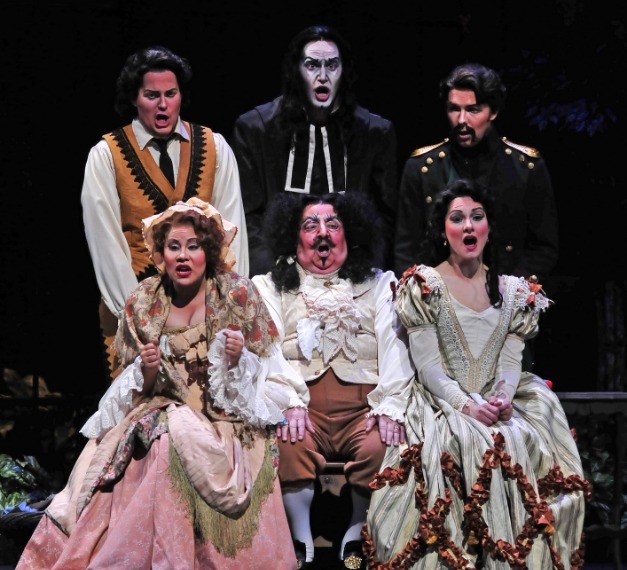
What should I expect?
Opera doesn’t ask you to understand every note. It asks you to sit still and let the music do what it does.
01
Emotionally
Give yourself permission to feel something. Opera doesn’t ask you to understand every note. It asks you to sit still and let the music do what it does. Some people cry. Some people laugh out loud. Some people just sit there afterward, quiet, not ready to leave yet. Whatever you feel is normal.
02
When To Clap
Clap when the music stops and the audience around you starts. A big aria often earns applause the second it ends, sometimes even before the scene moves on. If you’re not sure, wait a second and follow the room.
03
No Microphones
Every voice you hear is unamplified. No mic, no speaker, no boost, just a trained human voice filling that entire room on its own power, reaching the very last row without any help. It’s rare, and we think it’s pretty special.
04
The Orchestra
The orchestra plays every note live, right there in the pit a few feet from the stage. No backing track, no recording, nothing pre-set. It breathes with the singers in real time.
More on that below.
05
Timing and structure
Plan to arrive a little early, enough time to find your seat and settle in before the house lights go down. Most mainstage productions run a few hours including an intermission, so there’s a natural break partway through to stretch, grab a drink, or just sit with what you’ve seen so far.
Our Orchestra
What if I don't know the language?
The opera is sung in its original language, and English translations appear above the stage the whole time so you’re never lost.
Not every show is in Italian. Some are in German, French, or English, but supertitles are always there.
We also include a full synopsis in the program. Read it before the show begins to see if you can see the story unfold without having to look up and read.
Ticket basics
How to make sure your tickets are real.
In past shows, people accidentally purchased tickets through third-party websites that look official, but aren’t. These sites often appear when you Google tickets, and they can be misleading.
To ensure your seats are legitimate, please purchase tickets only through the link on the Nashville Opera website. That link takes you directly to our only official ticketing partner.
A few helpful tips
Avoid third-party resale sites or “ticket marketplaces”
Be cautious of listings that appear above official links in search results
When in doubt, start at nashvilleopera.org and follow the ticket link from there
If you ever have questions, our team is here to help. We want your experience to begin with excitement, not stress, and we’ll always do our best to take care of you.
A few words worth knowing
You don’t need this list to enjoy the show. But it’s here if you’re curious.
- Libretto: The written text of the opera, the words being sung. Think of it as the script.
- Supertitles: The English translation projected above the stage during the performance, so you can follow along in real time.
- Aria: A solo moment where a character stops the action and sings what they're really feeling. This is usually where the biggest emotions live, and often where the audience claps loudest.
- Recitative: The sung dialogue that moves the story forward between arias. Less melody, more conversation set to music.
- Bel canto: Bel canto means "beautiful singing" in Italian, and it's exactly what it sounds like. This is opera at its most gorgeous: soaring melodies, singers who can hold a note that seems to float forever, and vocal fireworks that will genuinely give you chills. If you've ever heard a singer hold a note so long and so purely that the audience gasps, that's bel canto.
- Overture: The overture actually tells the story in its entirety through themes in the music that you will hear throughout. It's fun to listen to see if you hear those same themes throughout the opera.
- Maestro: The conductor, the person leading the orchestra and setting the pace for the entire performance.
- Chorus: The group of singers on stage who aren't the lead characters, often standing in for a crowd, a town, or a community. We hold auditions once a year. We love to have local Nashville talent.
- Coloratura: The fast, ornamental runs a soprano sings, the moment that makes you wonder how a human voice just did that.
- Curtain call: The bows at the end of the show. Stay for it. It's part of the experience.
- Voice types: Singers are classified by range, from highest to lowest.
Female Voices
- Soprano: The highest female voice, and usually the one carrying the big emotional moments. If you hear a note that seems impossibly high, that's a soprano at work.
- Mezzo-soprano: A step below soprano, warmer and richer in tone. Mezzos often play the seductress, the best friend, or the mother, characters with a little more shading to them.
- Contralto: The lowest and rarest female voice. Deep, dark, and full. You won't hear one every show, but when you do, it's unmistakable.
Male voices
- Countertenor: A countertenor is a male singer who performs in the same high vocal range as a female alto or mezzo soprano, often using a technique called falsetto to reach those soaring, otherworldly pitches. It's one of opera's most striking sounds: a grown man producing tones that feel ethereal, almost angelic, and utterly unexpected the first time you hear it live.
- Tenor: A high male voice, and traditionally the leading man. If a character is the romantic hero, there's a good chance a tenor is singing the part.
- Baritone: A middle male voice, warm and versatile. Baritones move easily between heroes, villains, and everything in between.
- Bass: The lowest male voice. Deep, resonant, and often cast as the authority figure, the father, or the villain lurking in the low notes.
First Timer questions
Common first-timer questions
Tap a question to jump to it, or type your own.
What do I wear to the opera?
There's no dress code at Nashville Opera. Some people show up in cocktail attire, some in jeans, and both fit right in. Wear what makes you feel like yourself. If you want to dress in theme with the show, go for it. This is Nashville, so nobody's going to blink.
Do I need to know anything about opera before I go?
No. You don't need to know anything about opera to walk in the door at Nashville Opera. You just need to show up. Everything else takes care of itself once the music starts.
When do I clap at the opera?
Clap when the music stops and the audience around you starts. A big aria often earns applause the second it ends. If you're not sure, wait half a second and follow the room. Nobody's grading you on it.
What if I don't know Italian?
The opera is sung in its original language, and English translations called supertitles appear above the stage the whole time. You're never lost, even if the show isn't in Italian.
Are the voices amplified?
No. Every voice you hear at Nashville Opera is unamplified. No mic, no speaker, no boost, just a trained human voice filling the entire room on its own power, reaching the very last row without any help. It's one of the last places in the city where you can still hear that.
Is the orchestra live?
Yes. The Nashville Opera orchestra plays every note live, a few feet from the stage. It's not a permanent, in-house ensemble. It's assembled for each production from some of the best working musicians in Nashville, the same players you'll hear with the symphony and on major recordings. That combination doesn't exist anywhere else.
How long is an opera, and is there an intermission?
Plan to arrive a little early so you can find your seat before the house lights go down. Most Nashville Opera mainstage productions include an intermission, so there's a natural break partway through. Check the specific show page for exact run times.
Where does Nashville Opera perform?
Nashville Opera's mainstage productions are performed at TPAC's Jackson Hall in downtown Nashville. Parking and rideshare details are on each show page.
How do I buy tickets?
Tickets are available at nashvilleopera.org. Seating options and prices vary by show, so check the show page for what's available.
Who should I bring to the opera?
Bring a friend, bring a date, or come solo. All three are normal, and none of them require an opera buff on your arm to make the night work.
Ready for Your First Opera?
You don’t need to know everything before you walk through the doors.
Come curious. Leave changed.